Album Details
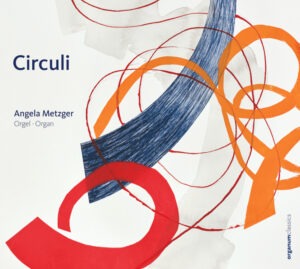
Circuli
Angela Metzger
Stadtpfarrkirche St Nikolaus, Rosenheim, Germany
Organum Classics (recorded 2021)
Album Contents
Toccata F-dur, BuxWV 156 — Dieterich Buxtehude
Circuli — Franz Danksagmüller
Vater unser im Himmelreich, BWV 682 — Johann Sebastian Bach
Toccata — Bernard Foccroulle
Ach du feiner Reuter, SSWV 111 — Samuel Scheidt
Toccatacet — Daniel Glaus
Toccata, Adagio und Fuge C-dur, BWV 564 — Johann Sebastian Bach
Sometimes there are recordings which come along and simply delight beyond all expectation. This release by Organum Classics is one of these. The premise already looked good on paper, with a talented young organist playing on a modern, historically informed organ a programme juxtaposing established baroque works with relatively challenging contemporary music. Definitely something that appeals to the aeolodicon senses!
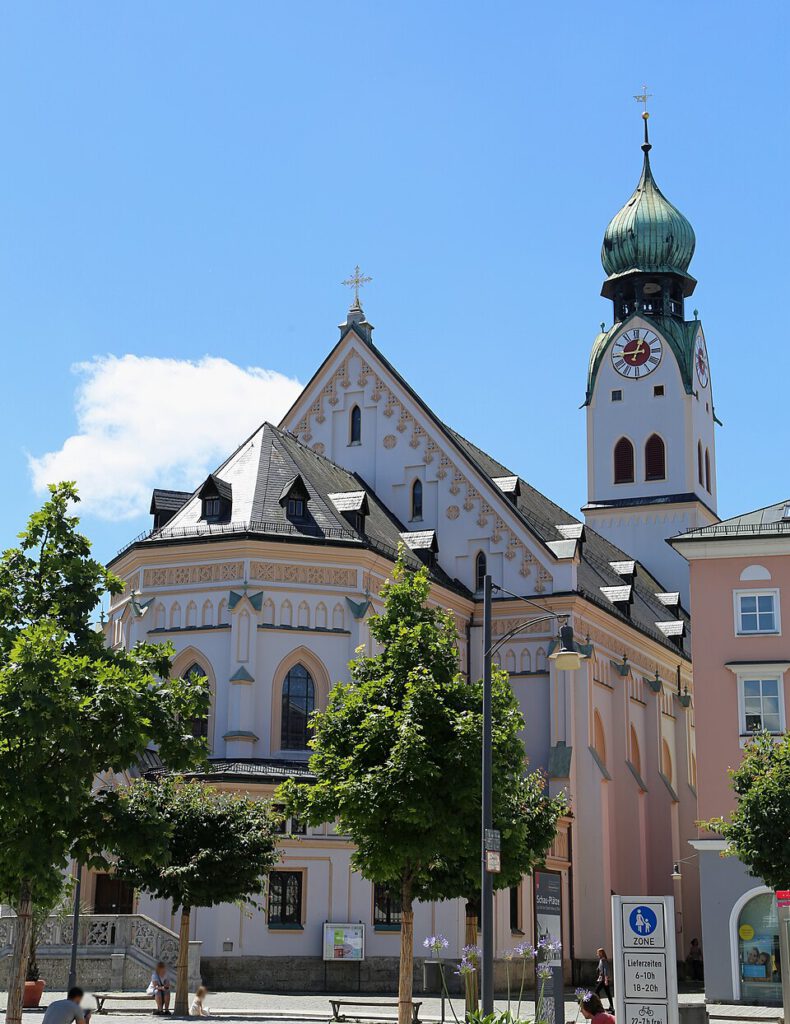
Image courtesy of Rufus46, CC BY-SA 3.0, via Wikimedia Commons.
The first few notes of the opening Toccata by Buxtehude set the scene – a bold, crisp, transparent chorus complemented by Angela Metzger’s precise (but not fussy) rhythms and phrasing. Every note seems carefully, intentionally placed, and yet the whole is imbued with spirited freedom. As Buxtehude’s rhetoric fills and then fades within the generous acoustic of the parish church of St Nikolaus in Rosenheim, it is clear that this recording is a match (of organ, composition and performer) made in heaven.
“The sound has room to unfurl and almost takes over the space”
In his liner notes, Birger Petersen writes about how music and its performance space are interlinked, particularly in the generous spaces where organs are typically found. “The sound has room to unfurl and almost takes over the space…it can even circulate.” Reil’s accomplished creation in Rosenheim certainly does just that.
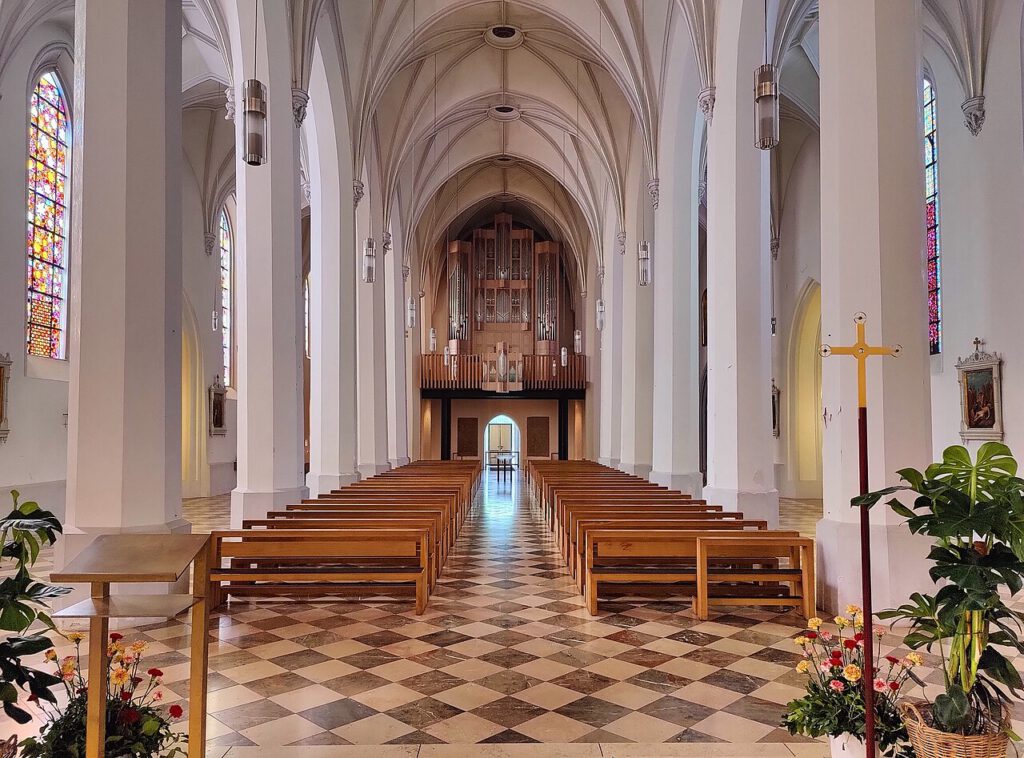
Image courtesy of Subbass1, CC BY-SA 4.0, via Wikimedia Commons.
The title track Circuli by Franz Danksagmüller follows the Buxtehude. The composer calls for sounds that should “seem to come from broken instruments”, by use of partially drawn stops on an instrument with mechanical action. Thus, the pipes receive no or partial wind and sound in unexpected ways with airy hisses and fluty whistling progressing to near-normal speech. It begins with the sound of key action alone, before pipes begin to sound. It builds up to an odd climax, nothing quite as it seems, and then quickly recedes to nothing. Danksagmüller apparently took inspiration from Hieronymous Bosch’s famous painting “The Garden of Earthly Delights”, which portrays, amongst many things, a musician’s hell where deformed instruments are used for torture. The uneasy dissonance between the title and the imagery is well captured in the unsettled music.
From the eerie silence that follows, Bach’s Vater unser im Himmelreich (“Our Father in heaven”, from the Clavier-Übung, Part 3) restores order. Metzger takes this at a very relaxed pace, the pedal part gently pacing between the delicate flutes and strings into which the chorale melody is woven à 2 Clav. et Pedal e Canto fermo in Canone. This performance is so beautiful, and its one that I return to again and again when in need of timeless calm – after this the rest of the disc, as good as it is, seems almost extraneous.
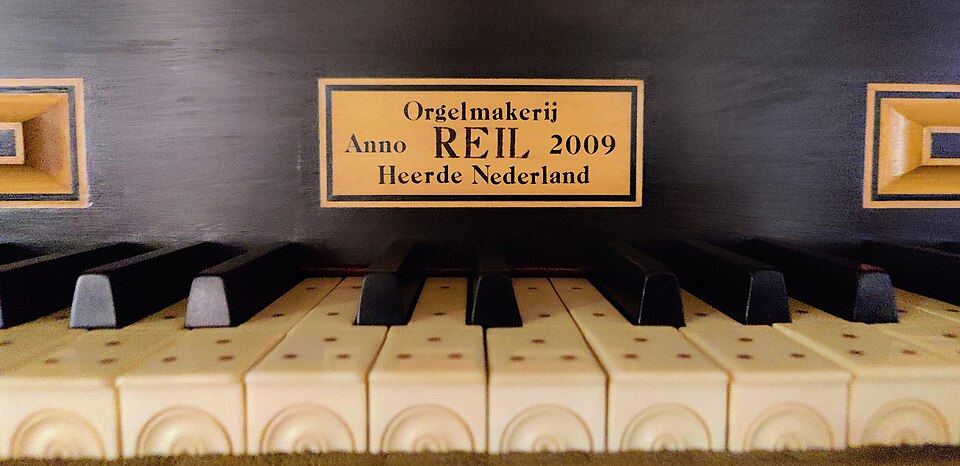
Image courtesy of Subbass1, CC BY-SA 4.0, via Wikimedia Commons.
Bernard Foccroulle’s animated Toccata follows, pulsing figurations initially punctuated by pedal reeds give way to a pedal solo. Inspiration comes from North-German baroque stylus phantasticus compositions with multi-sectioned designs exploring many varied moods and registrations. It was originally written for the 2001 inauguration of a large Schnitger-styled organ built by Felsberg Orgelbau for St Vaast’s Church in Béthune, France – the Reil organ in Rosenheim used for this recording, although not specifically based on Schnitger models, is nonetheless an equally well-suited companion.
The mind and ears are realigned again, this time with Samuel Scheidt’s Cantio Belgica from his 1624 Tablatura Nova collection, which allows Metzger to explore still further the many beautiful stops individually and in small ensembles. And then we are thrown back to a contemporary reflection with the particularly disjointed Toccatacet by the Swiss Daniel Glaus. The title plays on the words “toccata” (which needs no introduction) and “tacet” (the Latin for “be silent”). Thus we hear broken interjections throughout the work’s seven short movements, with relatively long pauses allowing each to be considered in turn. The musical content is much reduced, but the beautiful sounds from the Reil organ more than make up…a few notes here on a singing flute; a brief commentary on Sesquialtera quickly answered by a short-length reed. The fragmentary sounds are exquisite!
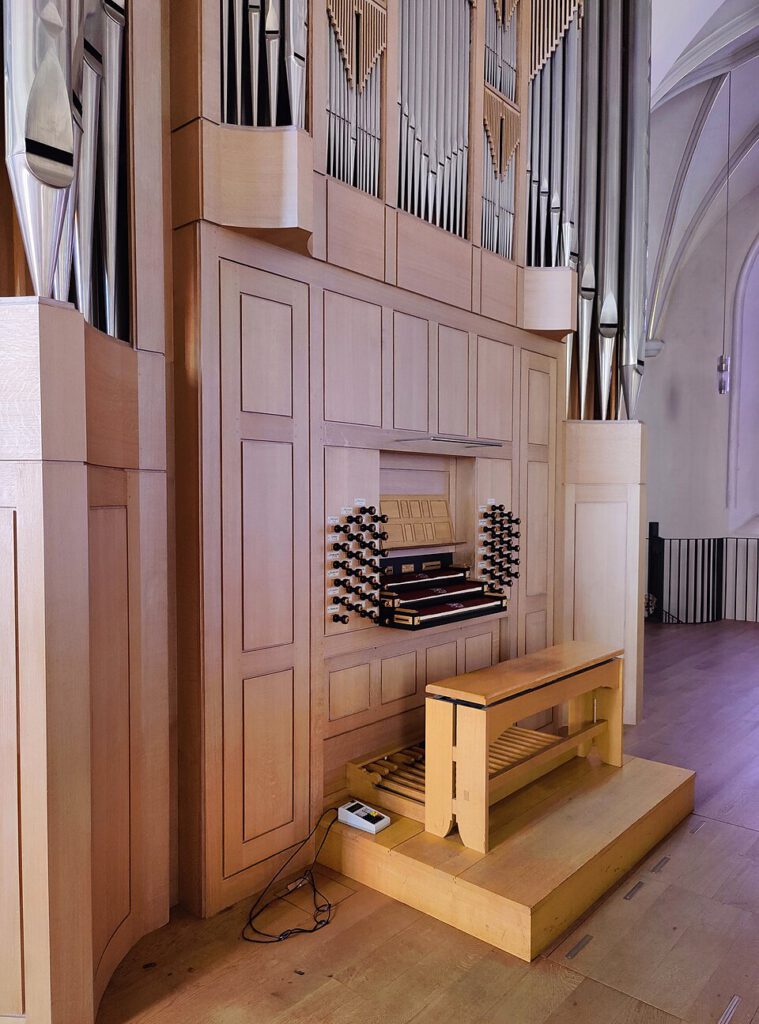
Image courtesy of Subbass1, CC BY-SA 4.0, via Wikimedia Commons.
Angela Metzger wraps up this wonderful release with Bach’s Toccata, Adagio and Fugue – the opening Toccata figurations get tossed between two choruses with very short, staccato touch that in other locations could be too much, but with the Rosenheim acoustic playing its part it gives the music an extra frisson. The Adagio is matter of fact, nothing too sentimental…but then dissolves into a single rank (Hauptwerk Viola di Gamba with tremulant?) for the final chromatic collapse. And from there, the spirited Fugue brings us to an exciting (but not over done) conclusion.
As I wrote at the beginning, this formula of contrasting baroque and contemporary music on a well-suited instrument looked promising. The result far surpasses those expectations – a perfect combination of performance, organ and recording.
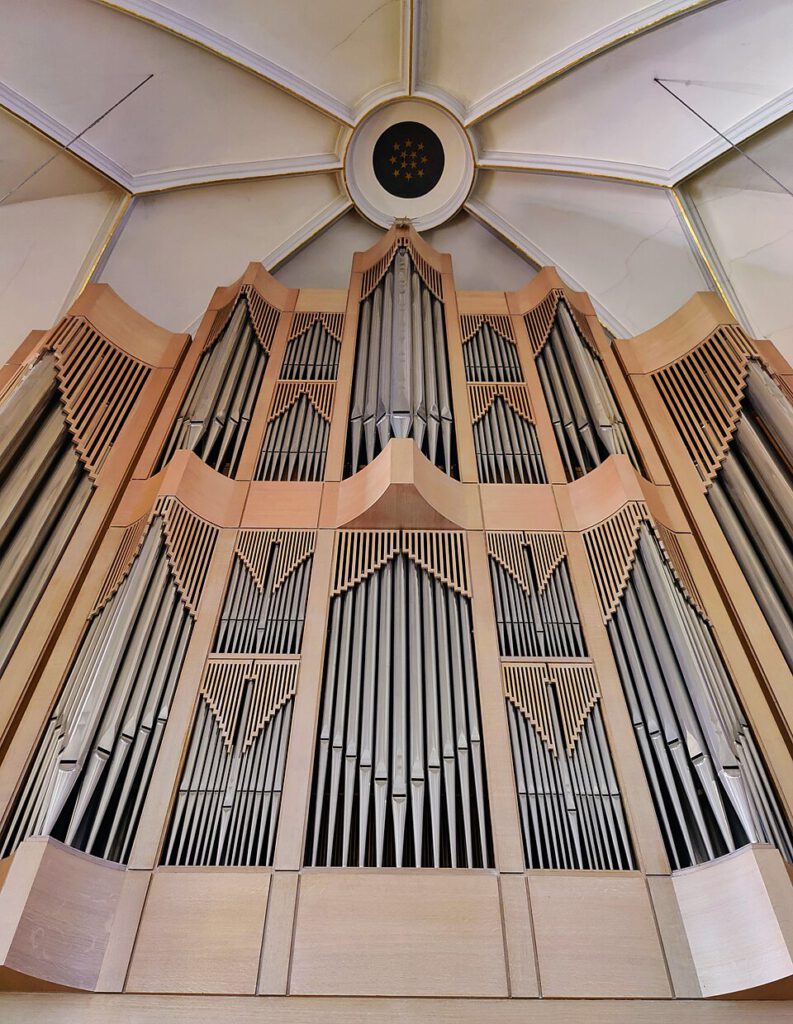
Image courtesy of Subbass1, CC BY-SA 4.0, via Wikimedia Commons.